
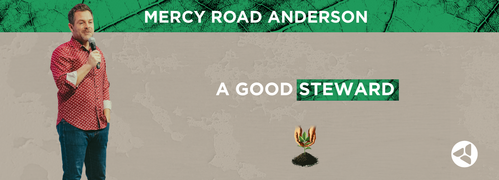
A Good Steward
Breaking Free: The Spiritual Power of Radical Generosity
There's a startling statistic that should give us pause: 71% of Americans are living in debt. The average credit card debt sits at over $16,000, and perhaps most telling, 78% of U.S. households are living paycheck to paycheck. These aren't just numbers—they represent a spiritual epidemic that's keeping millions of people in bondage.
The ancient wisdom of Proverbs 22:7 rings as true today as it did thousands of years ago: "The rich rule over the poor and the borrower is servant to the lender." The Hebrew word for servant here is ebed, which means servant, slave, or in bondage. This isn't merely about financial struggle—it's about spiritual freedom.
The Freedom Christ Offers
When the Apostle Paul wrote to the Galatians that "it is for freedom that Christ set us free," he was addressing a fundamental truth about the Christian life. We are meant to make choices that honor God first, not serve the tyranny of debt, greed, or material possessions. Yet many of us find ourselves unable to pursue what God has called us to because we're enslaved to financial obligations and consumer desires.
This isn't about judgment or shame. It's about acknowledging a biblical principle that has existed since ancient times and recognizing how it impacts our ability to live fully surrendered lives.
Why Jesus Talked So Much About Money
It might surprise you to learn that over two-thirds of Jesus' parables dealt with money and possessions. One out of every ten verses in the Gospels addresses this topic. In fact, there are over 2,300 Bible verses about money—five times more than verses on prayer and faith combined.
Why would Jesus focus so much attention on this area? Because He knew it would be one of the greatest obstacles to spiritual growth and kingdom impact. Our relationship with money reveals our relationship with God.
The Parable of the Talents
In Matthew 25, Jesus tells a powerful story about stewardship. A master entrusts three servants with different amounts of money (talents) before going on a journey. Two of the servants invest what they've been given and double their master's resources. The third servant, operating out of fear, buries his portion in the ground.
When the master returns, he celebrates the two faithful servants with remarkable words: "Well done, good and faithful servant. You have been faithful with a few things. I will put you in charge of many things. Come and share your master's happiness."
Notice the reward isn't just about receiving more responsibility—it's about sharing in the master's happiness. This is the key that transforms our understanding of generosity. We're not being asked to give things up; we're being invited into deeper joy and relationship with our Heavenly Father.
What It Means to Be a Good Steward
A steward isn't an owner—they're a caretaker. Think of the Steward of Gondor in The Lord of the Rings, who held the throne until the true king returned. That's our role with everything God has entrusted to us. We're temporary managers of resources that ultimately belong to the King.
A good steward knows God is generous with those who trust Him. The servants who invested what they'd been given didn't just receive more resources—they got to experience their master's happiness. When we invest our time, talents, and treasures in kingdom things—reaching people who don't know Jesus, transforming lives, helping those struggling with addiction—we get to witness the joy of God at work.
A good steward doesn't justify misuse of resources. The third servant had excuses for why he buried his talent. He blamed his master's character and operated from fear. How often do we do the same? We justify our spending, rationalize our choices, and make excuses for why we can't be more generous or why we're always struggling financially.
This is a lifelong spiritual battle, especially in American culture where advertisements constantly promise that the next purchase will bring happiness. The lust of the eyes, the lust of the flesh, and the pride of life bombard us from every screen and billboard, trying to convince us that fulfillment comes from consumption rather than from sharing in our Master's happiness.
A good steward experiences the Master's joy through sacrifice. When we live sacrificially—putting God first, others second, and ourselves third—we align with the two greatest commandments: love the Lord with all your heart, soul, mind, and being, and love your neighbor as yourself. This isn't deprivation; it's the pathway to experiencing God's presence and purpose in profound ways.
The Treasure That Lasts
Every person reading this will one day die. That's not morbid—it's reality. And because of Jesus' crucifixion and resurrection, we can have eternal life. But here's the thing: you don't see a U-Haul behind a hearse. We're not taking our possessions with us.
Matthew teaches us not to store up treasures on earth where moth and rust destroy, but to store up treasures in heaven. What we do with what we've been entrusted with really matters—not for this life only, but for eternity.
A Different Kind of Wealth
The question isn't whether you'll be a saver or a spender by nature. The question is whether you'll be a wise steward. Will you acknowledge that your time, your money, your abilities—everything you have—ultimately belongs to God?
Scripture is clear: "The wise store up choice food and olive oil, but fools gulp theirs down" (Proverbs 21:20). Even the ant stores provisions and gathers food at harvest. We're meant to think through and steward our resources well, not live reactively from paycheck to paycheck.
The Invitation to Freedom
This isn't about achieving some level of wealth before stewardship matters. In fact, establishing biblical principles around finances early in life helps avoid years of pain and bondage. It's about starting where you are and saying, "God, my time and my money and my resources are fully yours."
When we live this way—when we sacrifice for the kingdom instead of hoarding for ourselves—something remarkable happens. We get to see people who don't know Jesus come to faith. We witness broken marriages healed. We watch people find freedom from addiction. We participate in transforming our schools, our workplaces, our communities.
We get to share in our Master's happiness.
The spiritual epidemic of greed and debt can only be defeated with radical, extreme generosity. Not generosity motivated by guilt or shame, but generosity fueled by the joy of partnership with God in His mission.
The King is returning. What will He find you doing with what He's entrusted to you?
The ancient wisdom of Proverbs 22:7 rings as true today as it did thousands of years ago: "The rich rule over the poor and the borrower is servant to the lender." The Hebrew word for servant here is ebed, which means servant, slave, or in bondage. This isn't merely about financial struggle—it's about spiritual freedom.
The Freedom Christ Offers
When the Apostle Paul wrote to the Galatians that "it is for freedom that Christ set us free," he was addressing a fundamental truth about the Christian life. We are meant to make choices that honor God first, not serve the tyranny of debt, greed, or material possessions. Yet many of us find ourselves unable to pursue what God has called us to because we're enslaved to financial obligations and consumer desires.
This isn't about judgment or shame. It's about acknowledging a biblical principle that has existed since ancient times and recognizing how it impacts our ability to live fully surrendered lives.
Why Jesus Talked So Much About Money
It might surprise you to learn that over two-thirds of Jesus' parables dealt with money and possessions. One out of every ten verses in the Gospels addresses this topic. In fact, there are over 2,300 Bible verses about money—five times more than verses on prayer and faith combined.
Why would Jesus focus so much attention on this area? Because He knew it would be one of the greatest obstacles to spiritual growth and kingdom impact. Our relationship with money reveals our relationship with God.
The Parable of the Talents
In Matthew 25, Jesus tells a powerful story about stewardship. A master entrusts three servants with different amounts of money (talents) before going on a journey. Two of the servants invest what they've been given and double their master's resources. The third servant, operating out of fear, buries his portion in the ground.
When the master returns, he celebrates the two faithful servants with remarkable words: "Well done, good and faithful servant. You have been faithful with a few things. I will put you in charge of many things. Come and share your master's happiness."
Notice the reward isn't just about receiving more responsibility—it's about sharing in the master's happiness. This is the key that transforms our understanding of generosity. We're not being asked to give things up; we're being invited into deeper joy and relationship with our Heavenly Father.
What It Means to Be a Good Steward
A steward isn't an owner—they're a caretaker. Think of the Steward of Gondor in The Lord of the Rings, who held the throne until the true king returned. That's our role with everything God has entrusted to us. We're temporary managers of resources that ultimately belong to the King.
A good steward knows God is generous with those who trust Him. The servants who invested what they'd been given didn't just receive more resources—they got to experience their master's happiness. When we invest our time, talents, and treasures in kingdom things—reaching people who don't know Jesus, transforming lives, helping those struggling with addiction—we get to witness the joy of God at work.
A good steward doesn't justify misuse of resources. The third servant had excuses for why he buried his talent. He blamed his master's character and operated from fear. How often do we do the same? We justify our spending, rationalize our choices, and make excuses for why we can't be more generous or why we're always struggling financially.
This is a lifelong spiritual battle, especially in American culture where advertisements constantly promise that the next purchase will bring happiness. The lust of the eyes, the lust of the flesh, and the pride of life bombard us from every screen and billboard, trying to convince us that fulfillment comes from consumption rather than from sharing in our Master's happiness.
A good steward experiences the Master's joy through sacrifice. When we live sacrificially—putting God first, others second, and ourselves third—we align with the two greatest commandments: love the Lord with all your heart, soul, mind, and being, and love your neighbor as yourself. This isn't deprivation; it's the pathway to experiencing God's presence and purpose in profound ways.
The Treasure That Lasts
Every person reading this will one day die. That's not morbid—it's reality. And because of Jesus' crucifixion and resurrection, we can have eternal life. But here's the thing: you don't see a U-Haul behind a hearse. We're not taking our possessions with us.
Matthew teaches us not to store up treasures on earth where moth and rust destroy, but to store up treasures in heaven. What we do with what we've been entrusted with really matters—not for this life only, but for eternity.
A Different Kind of Wealth
The question isn't whether you'll be a saver or a spender by nature. The question is whether you'll be a wise steward. Will you acknowledge that your time, your money, your abilities—everything you have—ultimately belongs to God?
Scripture is clear: "The wise store up choice food and olive oil, but fools gulp theirs down" (Proverbs 21:20). Even the ant stores provisions and gathers food at harvest. We're meant to think through and steward our resources well, not live reactively from paycheck to paycheck.
The Invitation to Freedom
This isn't about achieving some level of wealth before stewardship matters. In fact, establishing biblical principles around finances early in life helps avoid years of pain and bondage. It's about starting where you are and saying, "God, my time and my money and my resources are fully yours."
When we live this way—when we sacrifice for the kingdom instead of hoarding for ourselves—something remarkable happens. We get to see people who don't know Jesus come to faith. We witness broken marriages healed. We watch people find freedom from addiction. We participate in transforming our schools, our workplaces, our communities.
We get to share in our Master's happiness.
The spiritual epidemic of greed and debt can only be defeated with radical, extreme generosity. Not generosity motivated by guilt or shame, but generosity fueled by the joy of partnership with God in His mission.
The King is returning. What will He find you doing with what He's entrusted to you?
Posted in Generous Life
Recent
Archive
2026
August
September
No Comments